
Do’s and Don’ts of Caring for a Gemstone Slab

How to Clean a Black Agate Slab Surface Without Dulling Its Natural Finish
Trending Designs in Gemstone Slab That Elevate Your Home Décor
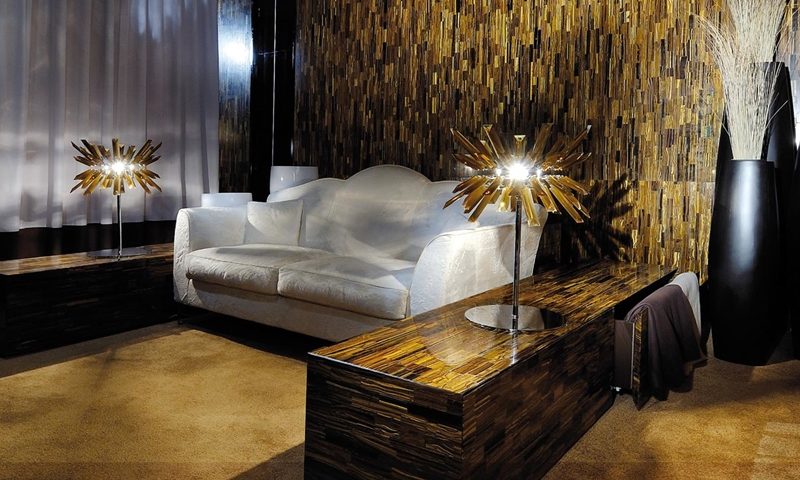
Most people walk into a room and know something looks different they just can't name it. Nine times out of ten, it's the surfaces. A well-chosen gemstone slab does something engineered stone genuinely cannot: it makes a room feel one of a kind, because it is. No two slabs cut from the same agate deposit will ever match. That's it. That's the whole argument.
Agate Slabs: Still the One Everyone Asks For
Blue agate is what most people picture when they first get interested in this category, and it's held that position for good reason. The banded translucent layers change depending on where the light is coming from, so the surface looks different at 9am than it does at 6pm. That kind of quiet movement is hard to get from anything manufactured. Designers have been pairing it with matte black hardware and warm timber to keep it from tipping into "art installation" territory, and it works. White agate is worth looking at too if you want the texture without the colour commitment.
Amethyst Slabs: For Rooms That Can Handle a Statement
Purple amethyst is not a shy material. Used on a fireplace surround or a feature wall, a genuine amethyst gemstone slab will anchor a room without needing anything else to compete with it. The crystal formations inside the stone give it real depth; it's not a flat colour. Under warm lighting it pulls toward burgundy. In daylight it can look almost lilac. The standard advice is to keep everything else in the room neutral, and that advice is correct.
Labradorite: The Choice People Make When They Know Stone
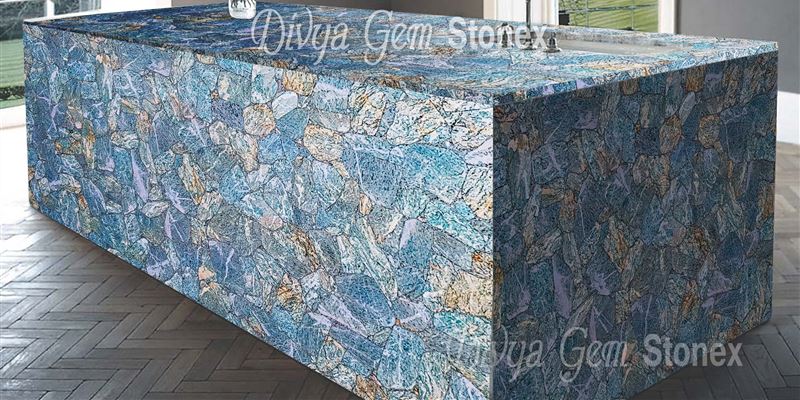
Labradorite doesn't get mentioned in the same breath as agate or amethyst, but people who work with natural stone regularly tend to reach for it. Dark base, with a blue and gold flash that moves when the viewing angle changes. Photographs don't really capture it you need to see it in person under shifting light to understand the appeal. It suits home bars, wine cellars, and bathrooms designed for low light. Not a beginner stone, but a genuinely good one.
Malachite and Ocean Jasper: When Earthy Works Better Than Jewel
Not every space needs a jewel tone. Ocean jasper, with its soft cream and green orbicular patterning, reads as calm rather than dramatic. It suits spaces with natural linen, rattan, and the kind of organic interior design that's become common over the past several years. Malachite is a different story; those tight banded greens are unmistakable and fairly assertive but scaled down to a side table or a shelving inset rather than a full countertop, it sits well alongside natural materials without overwhelming them.
Backlit Gemstone Panels: An Old Hospitality Trick Now in Homes
Hotels have been backlighting thin-cut stone for years. A slice of rose quartz with LED lighting behind it turns an ordinary wall into something worth stopping in front of. That idea has been moving into residential design, showing up in bedroom feature walls, reception areas, and bathroom ceilings. The LED systems are simple and relatively cheap. The stone is where the budget goes, and for most people who've seen it done well, that trade-off makes sense.
Why Choose Divya Gem Stonex
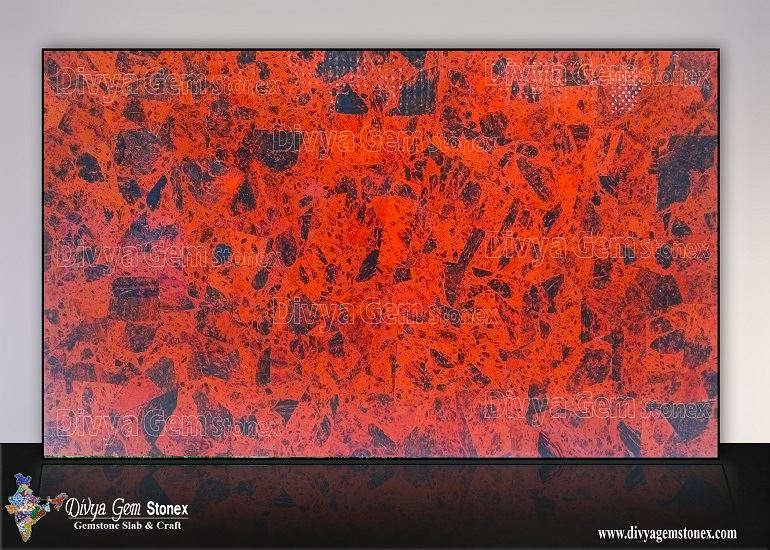
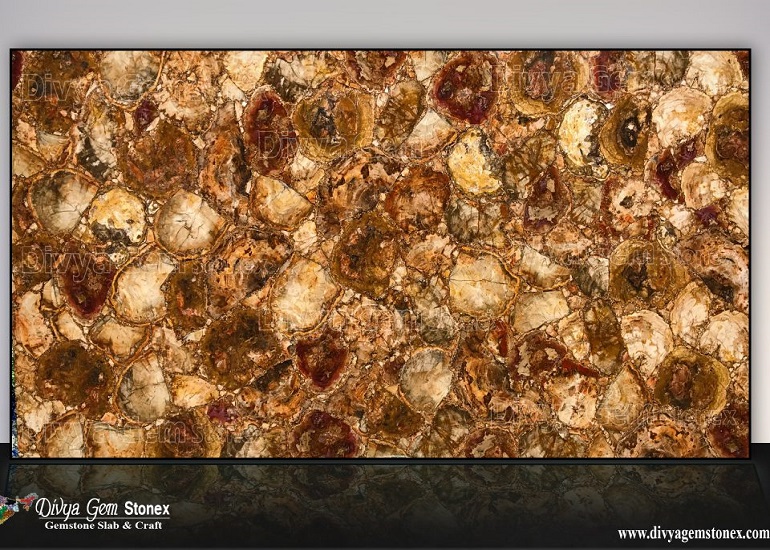
Divya Gem Stonex also buys directly from quarries, which helps maintain the quality of the stones and also provides a wider variety of stones than are usually supplied by a distributor. The variety includes agate, amethyst, labradorite, malachite, tiger's eye, rose quartz, and many other stones, which are inspected before shipping. If you are not sure of the stone that will go best in your space, advice is also provided for the selection of the stone. Custom cutting is also provided for projects of specific sizes.
Final Thoughts
The reason natural gemstone surfaces have gone from hotel lobbies to homes is quite simple: man-made materials are excellent at resembling stone, but they are poor at resembling that stone in particular. If you care about that sort of thing, you might as well start with a supplier of the real thing.

 WhatsApp